


Hyperorgan Rotterdam an organ revolution!
How does one of the oldest musical instruments in the world renew itself without losing its tradition? See our ‘Hyperorgel Rotterdam’ project.
The Laurenskerk in Rotterdam wants an organ revolution!
One of the oldest musical instruments in the world can renew itself without losing its tradition by embracing innovation while preserving its heritage. The Laurenskerk in Rotterdam is doing just that with the ‘Hyperorgel Rotterdam’ project. They are renovating the historic Marcussen organ and creating a new, digitally enhanced hyper organ that maintains the authentic character of the traditional instrument. With modern features like a mobile console for flexible performance, the project bridges the gap between time-honored craftsmanship and contemporary musical possibilities, ensuring that the organ continues to inspire both traditionalists and new generations alike.
The Laurenskerk is one of Rotterdam’s enduring icons, standing proudly alongside landmarks like the Euromast, Erasmus Bridge, and the Markthal. Its distinctive tower is one of the few remaining vestiges of the Middle Ages in the city center. Over time, the Laurenskerk has evolved into a vibrant event location and a must-see attraction.
Inside, the church is home to unique and world-famous organs. The imposing main organ and the Neo-Baroque transept organ have captured the hearts of a large community of organ enthusiasts. Additionally, the Laurenskerk is a focal point for vocal music, hosting performances by renowned house ensembles such as those of Laurens Vocaal.
This blend of rich history, remarkable architecture, and a dynamic musical program makes the Laurenskerk a true cultural treasure in Rotterdam
Rich organ tradition
The Laurenskerk in Rotterdam boasts a storied musical heritage, anchored by its once-renowned main organ—the largest in the Netherlands—which was celebrated for its exceptional sound and craftsmanship. From the 19th century onward, the church became a premier concert venue, reaching a zenith with organist Hendrik de Vries. His groundbreaking performances of works by Reger, Guilmant, and Widor not only marked their Dutch premieres but also established Rotterdam as one of Europe’s top destinations for organ music. Even after the devastating bombing of 1940, which claimed the original main organ, there was a determined effort to restore this legacy, ensuring that the rich organ tradition lives on.
Transept organ
After WWII, it was decided that the Laurenskerk needed an additional instrument in its south transept—a space once depicted with an organ in historical paintings. The Danish company Marcussen answered this call by building a transept organ that has become one of the most exquisite Neo-Baroque instruments in our country. Its rich, expressive sound perfectly complements the church’s historic ambiance.
For the detailed disposition of the organ, click here.
The ‘Red Giant’
The ‘Red Giant’ is the nickname for the main Marcussen organ in the Laurenskerk, commissioned in 1973. With its 85 registers, it stands as the largest church organ in the Netherlands. The impressive, dark red organ case lends it its playful name, while its fully mechanical nature—considered challenging for registration compared to the electrically operated systems used on similar cathedral instruments abroad—adds to its character. Renowned for its uniquely versatile, majestic, and noble sound, the ‘Red Giant’ helped re-establish the Laurenskerk as first-rate organconcert venue.
You can find the disposition here.
Choir organ and positive
The Laurenskerk in Rotterdam boasts a variety of exceptional instruments. In the choir, you’ll find the third Marcussen organ—a unique instrument built in the historic greenhouse of the Old Catholic secret church in Amsterdam, featuring 8 registers.
Additionally, in the side chapel of “Peace and Reconciliation,” there is a positive organ crafted by the Utrecht company Van Vulpen. Made in 1963 and originally located elsewhere in Rotterdam, this instrument offers 5 voices.
Organ revolution
The Laurenskerk in Rotterdam is embarking on an ambitious project to revolutionize its organ offerings. The renowned Marcussen main organ is set for renovation, and plans are underway to construct a state-of-the-art ‘hyper organ’ in the church’s choir. This innovative instrument will be digitally playable, making it accessible to a broader range of musicians beyond traditional organists. The integration of a mobile console will allow both the renovated main organ and the new hyper organ to be played from various locations within the church, facilitating diverse musical genres and creative collaborations. This initiative aims to blend the rich traditions of organ music with contemporary advancements, ushering in a new era for the Laurenskerk’s musical heritage.
Renovation of the main organ
The Marcussen main organ of the Laurenskerk in Rotterdam, inaugurated in 1973, is renowned for its superior craftsmanship and sound quality, standing as the largest mechanical-action organ in the Netherlands. After nearly five decades of extensive use, the instrument has accumulated dirt, and some pipes require refurbishment. Additionally, insights gained over the years suggest the need for certain design modifications to enhance its performance. To address these issues, the organ will be carefully disassembled, thoroughly cleaned, and renovated as necessary to restore its optimal condition.
Mobile console
As part of the upcoming renovation of the Marcussen main organ in the Laurenskerk, we plan to enhance its versatility by installing a mobile console. This addition will allow the organ to be played electrically from various locations within the church, facilitating performances with other musicians and ensembles. Importantly, the original mechanical action at the organ itself will remain intact, preserving its traditional playing experience.
Hyper organ
The Laurenskerk in Rotterdam is embarking on an innovative project to construct a ‘hyper organ’ in its choir. This digital pipe organ will feature traditional pipes, sourced from the Pels organ of the former Holy Family Church in Rotterdam, and will incorporate advanced digital capabilities. Each pipe can be digitally manipulated, allowing musicians, composers, and ensembles to explore a vast array of sounds across various genres, including contemporary styles and crossovers. The hyper organ will be installed in the choir area, replacing the current small choir organ, which will be relocated within the choir of the church.
Expanding the organ programming
The Laurenskerk in Rotterdam is embarking on an innovative project to rejuvenate its rich organ tradition. The “Hyperorgan Rotterdam” initiative aims to make the organ more appealing to a new generation of musicians and creators. By introducing a digital console and developing a hyper organ—a digitally playable pipe organ in the church’s choir—the Laurenskerk is expanding the instrument’s accessibility beyond traditional organists. This approach not only preserves the organ’s classical heritage but also opens avenues for contemporary genres and artistic collaborations. A dedicated program committee is revitalizing the organ’s role, inviting composers and artists to explore new possibilities with these instruments. The goal is to captivate a broader and more diverse audience with the organ music of the future.
What does it cost?
The ‘Hyperorgel Rotterdam’ project is an ambitious initiative by the Grote of Sint Laurenskerk Foundation to renovate the main Marcussen organ and construct a new ‘hyper organ’ in the church’s choir. The total investment required for this project exceeds €3,110,000 ( 2022). While the foundation has successfully raised more than half of the necessary funds, additional support is essential to fully realize the project. Contributions from the community and patrons are crucial to bridge the remaining financial gap and bring this visionary project to fruition.
Provisional timeline
2023-2024
- quotes main organ and console
- fundraising (actions) second phase
- start and press time
- commissioning renovation of main organ and construction of 2nd console
2025-2027
- execution of restoration of main organ and installation of 2nd console
- continued fundraising
2027
- delivery and commissioning
Join!
‘Hyper organ Rotterdam’ requires a major investment. To support this endeavor, the foundation Grote of Sint Laurenskerk, has organized various fundraising activities, including benefit concerts, amateur organ days, and an organ marathon. Additionally, individuals can contribute by adopting an organ pipe, thereby directly supporting the renovation efforts. The foundation is also reaching out to numerous partners, funds, and sponsors to gather the necessary support.
For a more in-depth understanding of this project, you might find the following video by titular organist Hayo Boerema insightful:
Donations
Anyone who wants to contribute is of course very welcome!
Click on the QR code provided; this will direct you to a payment page where you can specify your desired donation amount.

Or you can transfer your chosen donation amount to the following bank account: IBAN: NL59 RABO 0129 0331 46, Grote of Sint Laurenskerk Foundation, Reference: Organ Fund.
Your generous contribution will play a vital role in the renovation of the main organ and the development of the innovative hyper organ, ensuring the Laurenskerk continues to inspire future generations with its rich musical heritage.
The Grote of Sint Laurenskerk Foundation has an ANBI status.
An indispensable part of many organ projects is a campaign to get the public to ‘buy’ organ pipes. This is also the case with ‘Hyperorgel Rotterdam’. It is now possible to adopt one or more of the more than 7,500 pipes of the main organ.
Adopt an organ pipe
May 2024
BENEFIT HOUSE CONCERT AT HERMAN SUNDAY
Entrepreneur and organ enthusiast Herman Zondag organized a benefit concert for some of his relations on May 22 for the renovation of the main organ of the Laurenskerk. This took place at his home, in his own organ hall, which is decorated like St. Sulpice in Paris and contains an impressive Noorlander organ. Hayo Boerema, organist of the Laurenskerk, gave the concert in three parts.
Herman opened the evening, when Andries Ponsteen spoke on behalf of the Laurenskerk about the status of the renovation of the main organ. Hayo then played works by Johann Sebastian Bach, Charles Marie Widor and a number of chorale arrangements by Feike Asma and Jan Zwart. A first for Hayo, who had never done this before. He also always provided, in his own humorous way, an explanation of the pieces to be performed. Of course he also played some improvisations, including on Psalms 42 and 68 and on the Pentecost hymn ‘Veni Creator Spiritus’. In between, the guests were treated to an excellent five-course walking dinner.
What was extra fascinating was that the Noorlander organ can sound like the Bovenkerk in Kampen, the Grote Kerk in Dordrecht or … like the Laurenskerk in Rotterdam at the touch of a button! Hayo gratefully took advantage of these opportunities.
Those present thoroughly enjoyed this evening. This appreciation was also evident from the proceeds from this special house concert: no less than € 17,000 for the renovation of the main organ and the second console!
Who are they?
Client
‘Hyperorgel Rotterdam’ is a project of the Grote of Sint Laurenskerk Foundation (SGLK), which also raises the necessary financial resources.
Project team
‘Hyperorgel Rotterdam’ is managed by a project team of:
– Hayo Boerema, titular organist
– Elles van Vegchel, director Laurenskerk
– Frank Migchielsen, external advisor
– Ingrid van Meggelen, project employee
– Andries Ponsteen, secretary SGLK and chairman of the project team
Partners
A Sounding Board Group, in which a number of involved partners from ‘Hyperorgel Rotterdam’ participate:
– Cor van den Hoek (Reformed Church)
– Wiecher Mandemaker (Laurens Vocaal)
– Hayo Boerema (organist)
– Frank Migchielsen (adviser)
– Arjen Heere, Remko Dijkman (Grote Kerk Foundation)
– Aart Bergwerff, Hans Fidom, Natascha Reich (organ advisors)
– Ingrid van Meggelen (SGLK, secretariat)
– Elles van Vegchel (director SGLK)
– Andries Ponsteen (SGLK board, chairman)
Organ advisors
The organ advisors are: Aart Bergwerf, Natascha Reich and Hans Fidom.
Ambassadors
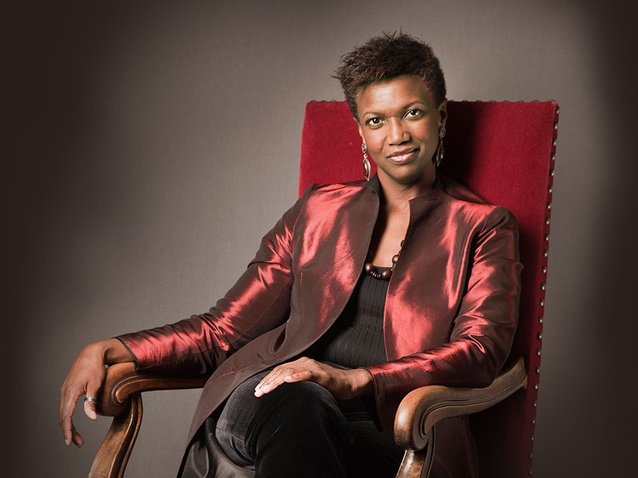
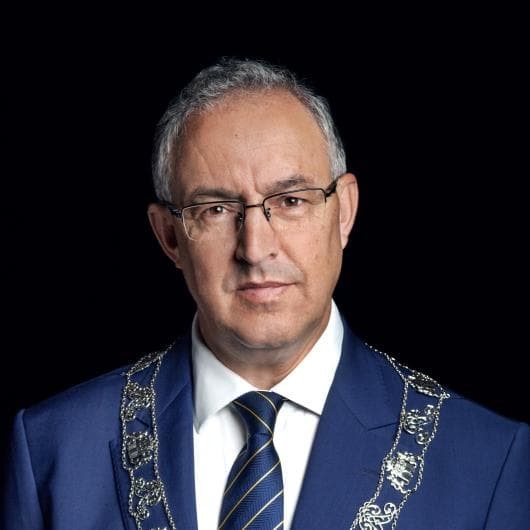
The following people support ‘Hyperorgel Rotterdam’ and are part of the Recommendation Committee:
– Frans Weisglas, former chairman of the House of Representatives
– Wilma Franchimon, Codarts
– Yannick Hiwat, jazz violinist
– Richard Jongste, Maasmond B.V.
– Frans Lavooij, Nedspice
– Claron McFadden, soprano
– James McMillan, composer
– Pieter van Oord, Van Oord N.V.
– Arnoud Rodenburg, (former) mayor of Midden-Delfland
– Eric Vloeimans, jazz trumpeter
– Sander Zwiep, Omroep Max

Adopt an organpipe
Support this great project and adopt an organ pipe and support the realization of the Hyper Organ Rotterdam!
Our ambassadors

Organ music in the Laurenskerk
Check our concert agenda for various concerts, including on the impressive Marcussen organ.
